
Updated Guidance, HSR Responsibilities and the Role of Health Surveillance
Asbestos remains one of the most serious occupational health hazards in Australia. While asbestos has been banned since 31 December 2003, asbestos-containing materials (ACMs) are still present in many workplaces — particularly in buildings, plant and infrastructure constructed 30 to 100 years ago.
As these materials deteriorate over time, the risk of exposure to airborne asbestos fibres increases, especially during maintenance, refurbishment and demolition activities.
Recent guidance from Safe Work Australia, including the new guide for Health and Safety Representatives (HSRs) on asbestos, reinforces the importance of proactive asbestos management, worker consultation and ongoing health surveillance.
Why Asbestos Remains a Risk
Asbestos is a naturally occurring mineral made up of fine fibres. When asbestos materials are damaged, disturbed or degrade, fibres can become airborne and inhaled.
Inhalation of asbestos fibres can lead to serious and often fatal diseases such as:
- Mesothelioma
- Lung cancer
- Asbestosis
These diseases typically develop 20–30 years after exposure, which is why early identification, control measures and long-term health monitoring are critical.
Where Exposure Commonly Occurs
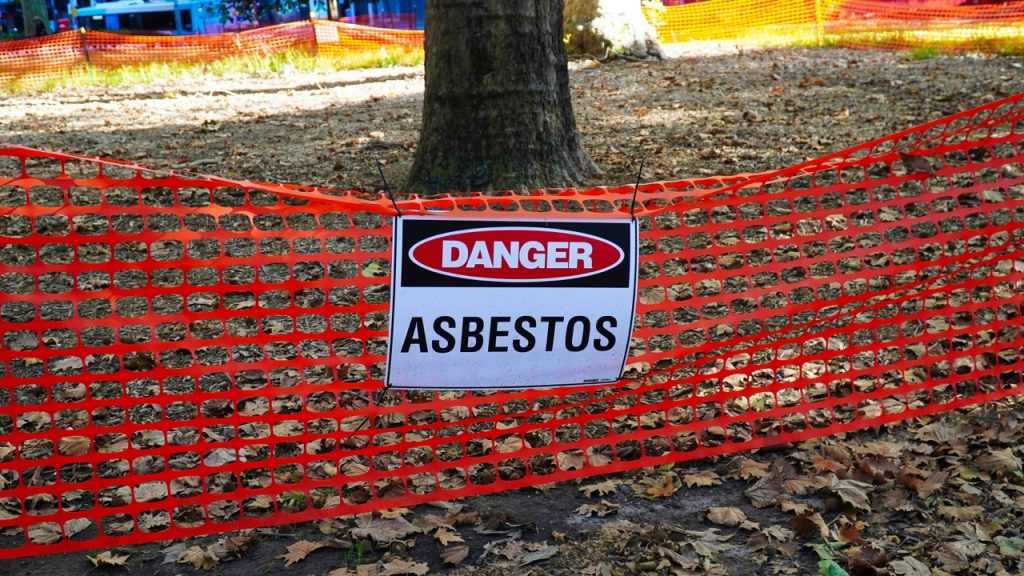
Even in workplaces not directly involved in asbestos removal, exposure risks can arise during:
- Maintenance and repair work
- Accidental damage to walls, ceilings or plant
- Refurbishment or retrofitting of older buildings
- Demolition activities
- Construction and excavation where naturally occurring asbestos may be present
Asbestos cannot be reliably identified by sight alone. Only a competent person can confirm its presence through inspection and laboratory testing.
New Safe Work Australia Guidance for Health and Safety Representatives (HSRs)
Safe Work Australia’s new guidance for Health and Safety Representatives on asbestos highlights the important role HSRs play in identifying asbestos risks and representing workers who may be exposed.
The guide makes it clear that:
- HSRs are not expected to be asbestos experts or to “fix” asbestos issues
- The primary responsibility for managing asbestos risks sits with the Person Conducting a Business or Undertaking (PCBU) and those with management or control of the workplace
- HSRs have the right to access asbestos registers, asbestos management plans, air monitoring results and removal documentation
- HSRs can request reviews of asbestos management plans where risks are not being adequately managed
- Consultation with workers and HSRs is a legal requirement under WHS laws
The guidance is particularly relevant for workplaces in the built environment, where ageing asbestos-containing materials are more likely to degrade and pose exposure risks.
Employer Responsibilities Under WHS Laws
Under the model Work Health and Safety (WHS) laws, PCBUs must ensure that the risk of exposure to airborne asbestos is eliminated or, if that is not reasonably practicable, minimised so far as reasonably practicable.
Key obligations include:
- Maintaining an up-to-date asbestos register and asbestos management plan
- Clearly identifying and labelling asbestos where practicable
- Consulting with workers and HSRs on asbestos-related risks
- Ensuring safe removal where required by licensed removalists
- Conducting air monitoring where necessary
- Providing and funding health monitoring for workers at risk
- Retaining air monitoring and health records for 30–40 years
Health Surveillance: A Critical Control Measure
Health surveillance (also referred to as health monitoring) is a mandatory requirement for workers who:
- Undertake licensed asbestos removal work
- Perform ongoing unlicensed asbestos-related work
- Carry out any asbestos-related work where there is a risk of exposure
Health monitoring must be carried out by, or under the supervision of, a registered medical practitioner with experience in occupational health. Records are confidential and must be retained long-term.
Health surveillance is not simply a compliance exercise — it plays a vital role in protecting workers’ long-term health and identifying early signs of exposure.
The Challenge for Employers
Managing asbestos health surveillance can be complex, particularly for organisations operating across multiple sites or jurisdictions.
Common challenges include:
- Accessing appropriately qualified clinics
- Coordinating consistent surveillance across states
- Managing referrals, records and follow-ups
- Ensuring workers attend appointments
- Avoiding compliance gaps and delays
This is where Medicals Australia provides value.
How Medicals Australia Supports Asbestos Health Surveillance
Medicals Australia specialises in end-to-end coordination of occupational health and health surveillance services, including asbestos health monitoring, across Australia.
With a national network of 350+ partner clinics, we support organisations by:
- Coordinating baseline and ongoing asbestos health surveillance
- Matching workers with suitably qualified clinics nationwide
- Managing referrals, documentation and site-specific requirements
- Supporting workers through the booking process
- Ensuring consistency across multiple locations
- Reducing administrative burden for HR, safety and operations teams
Our experienced team works closely with employers, workers and clinics to ensure surveillance requirements are met accurately and efficiently.
Supporting Compliance and Worker Health
The updated Safe Work Australia guidance reinforces a simple message: asbestos remains a real risk, and proactive management — including health surveillance — is essential.
By partnering with Medicals Australia, organisations gain a trusted national facilitator who understands regulatory expectations, operational pressures and the importance of protecting worker health over the long term.
Contact Medicals Australia today to discuss asbestos health surveillance and occupational medical coordination across Australia.
Helpful Links: